
Media Center
Health Blogs
Summer heat keeps many people in Dubai indoors, delivery apps bring dinner in minutes, and social feeds promise dramatic results in weeks. Fast weight loss can lower the number on the scale, but that weight is often regained, and very rapid loss can carry health risks. Here is what the evidence says, which myths to ignore and when a doctor's input may help.
Key Takeaways
Gradual loss is generally easier to maintain than rapid loss, as the comparison below shows.
| Approach | Typical pace | Main risks and maintenance | Who it may suit |
|---|---|---|---|
| Fast (crash diets, very low calorie plans without supervision) | Faster than the NHS and CDC recommend | Muscle loss, nutrient gaps, gallstones, fatigue; less likely to be kept off, according to the CDC | Not generally advised without medical supervision |
| Gradual (lifestyle changes) | Around 0.5 to 1 kg a week (NHS); 1 to 2 lb a week (CDC) | Generally lower risk for healthy adults; more likely to be kept off, according to the CDC | Most adults aiming to lose weight |
| Medically supervised | Set by your clinician | Varies with the treatment, with side effects monitored; maintenance depends on follow-up | People with health conditions, a higher BMI or repeated unsuccessful attempts |
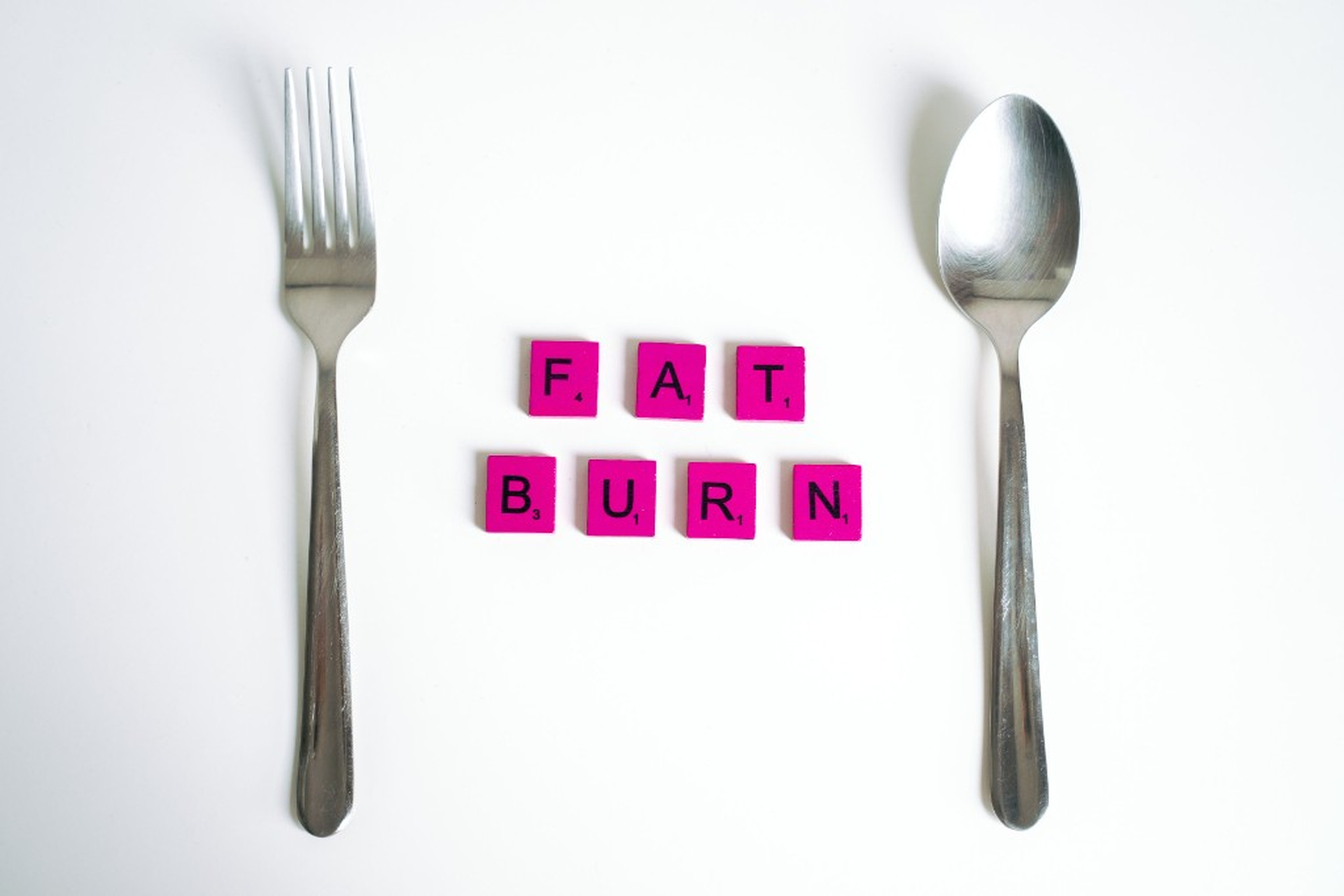
Fast weight loss can lower the scale number, but much of the early drop is water and it is often regained. The quickest route is a steep calorie cut, yet the steadier pace in the table is generally easier to sustain. Losing around 1 kg in 10 days falls within the NHS range, so it is a modest pace rather than a rapid one.
In the first week or two of a strict diet, your body draws on stored glycogen, a form of carbohydrate held with water. This explains the quick early drop. Eat too little for too long and you also risk losing muscle, which lowers the energy your body uses each day.
Gallstones are another concern, and the NHS lists losing weight very quickly as a risk factor. Severe restriction can also leave you short of protein, iron, calcium and other nutrients, and many people feel tired or light-headed. Steady loss, according to the CDC, is more likely to last.
To lose weight safely in Dubai, aim for gradual loss built on balanced eating, regular activity, good sleep and support, adapted to your health and routine. A small calorie deficit you can keep up matters more than any single diet style.
If you are not sure where to begin, these first steps help:
Summer here calls for some planning. Walk early in the morning or after sunset, or use indoor spaces such as malls, gyms and pools. Restaurant meals are easier to manage when you choose grilled dishes, share starters and check portion sizes, while planning meals ahead makes late-night delivery less tempting.
During Ramadan, large meals at iftar and suhoor can lead to weight gain. Balanced plates, enough water between the two meals and a pause before second helpings can help. If you have diabetes or take regular medicines, get medical advice before fasting, as doses or timings may need adjusting.
For a personalised eating plan, our dietetics team can help, and preventive nutrition focuses on habits that lower long-term health risks.
Most quick-fix claims fall apart once you look at how the body uses energy. Six come up often.
Unlikely to help. Skipping meals often leads to stronger hunger and overeating later in the day. What counts more is your overall intake across the week, and whether your eating pattern is one you can keep up.
No good evidence supports lasting weight loss from them. In its public guidance on detox diets, the British Dietetic Association (BDA) describes the idea of detoxing as a myth, since your liver and kidneys already remove waste. Any quick drop on the scale is usually water, or fluid lost through the bowel with laxative teas, and it tends to return once you stop.
That is too simple. Both low-carbohydrate and low-fat diets can lead to weight loss when total calories fall. The diet that suits you is one you can follow, with enough fibre, protein, fruit and vegetables.
No. Sweat is how your body cools itself. In Dubai's heat you may sweat heavily without burning much extra energy, and the weight you lose is water that comes back once you rehydrate.
Not on current evidence. Exercising one area strengthens the muscles there, but fat tends to be lost across the whole body rather than from the area being worked. Where fat comes off first varies from person to person, and genetics, sex and age are thought to play a part.
Not necessarily. A "natural" label says nothing about safety or effectiveness. Through its public warnings on tainted weight loss products, the US Food and Drug Administration (FDA) has reported that some products sold online contain hidden medicine ingredients, so check with a pharmacist or doctor before taking anything.

When you lose weight, your body adapts: you burn slightly less energy at rest, and changes in appetite hormones can make you hungrier. Mayo Clinic describes these shifts as one reason keeping weight off can be harder than losing it.
A smaller body needs less energy, so the calorie intake that once caused weight loss may later only maintain it. Hunger and fullness signals can also change. That is why a goal weight is better seen as the start of maintenance than as a finish line.
There are health benefits too. The CDC notes that a modest loss of 5 to 10% of body weight can improve blood pressure, blood sugar and cholesterol, and our article on high cholesterol and heart health explains why cholesterol matters. Losing excess weight can ease pressure on painful joints in people with osteoarthritis, and the NHS recognises weight loss as one way to improve obstructive sleep apnoea in people who are overweight. Effects on mood are more individual: some people report feeling better, while others find strict dieting stressful.
Conditions such as an underactive thyroid can make weight harder to shift. If you suspect a hormonal cause, our endocrinology team can investigate.
It depends on the person. Diet and activity changes may be enough for some people, but medical support can identify underlying conditions, review medicines and monitor your health in ways a diet plan cannot.
Needing that support is not a sign of weak willpower. Genetics, hormones, medicines, sleep and surroundings all affect weight alongside food choices. A medical route may be worth discussing where weight is linked to a condition such as type 2 diabetes or sleep apnoea, or where a prescribed medicine may be contributing. Only change or stop prescribed medicines on the advice of the doctor who prescribed them.
Providers of medical weight loss in Dubai often start with a doctor-led assessment, though the exact steps vary. It may include your medical history, measurements, blood tests, a review of medicines that can cause weight gain, and nutrition and behaviour support. After repeated attempts without lasting results, you could ask whether medically supervised weight loss support suits you.
A structured weight loss programme usually combines changes to eating, activity and behaviour with regular check-ins to track progress. Some are led by doctors, others by dietitians or coaches. Before signing up, ask who designs your plan, how progress is reviewed and how the programme adapts to conditions such as diabetes or high cholesterol.
According to guidance from the UK's National Institute for Health and Care Excellence (NICE), some prescription weight loss medicines may help certain adults lose weight when used alongside a reduced-calorie diet and more activity. These medicines are only supplied after a doctor's assessment, and suitability is decided by that doctor.
NICE generally considers them for people above certain BMI levels or with weight-related health conditions. According to NICE and product information, side effects differ by medicine and can include nausea and other digestive symptoms. Your prescriber can explain the risks of any specific medicine. In the UAE, national regulators, including the Ministry of Health and Prevention (MOHAP), determine which medicines are approved.
Avoid buying weight loss injections online or using any product that has not been prescribed for you. Unregulated products may be counterfeit or wrongly dosed, and you cannot be sure what they contain.
Eligibility for bariatric surgery is set by clinical guidelines and a specialist assessment, usually based on BMI alongside health conditions and earlier attempts at non-surgical care. Surgery involves careful preparation and long-term follow-up, which your specialist will explain.
As an international reference, NICE, in its guideline on overweight and obesity management, generally considers surgery for adults with a BMI of 40 or more, or 35 or more with a weight-related condition such as type 2 diabetes. It also recommends lower BMI thresholds for people of South Asian, Chinese, other Asian, Middle Eastern, Black African or African-Caribbean family background, because health risks can rise at a lower BMI in these groups. These figures are a guide only. Local criteria may differ, and a specialist must confirm eligibility after an individual assessment.
A gastric balloon is a soft balloon passed into the stomach through an endoscope and then filled, so it takes up space and helps you feel full sooner, according to Mayo Clinic. More broadly, non-surgical approaches include structured programmes, dietitian-led support, prescription medicines and, for some people, endoscopic procedures such as a balloon, as described in NICE guidance and Mayo Clinic patient information.
Mayo Clinic notes that a balloon may not be an option for people who have had previous stomach surgery. Placement requires sedation and a specialist assessment, and the balloon must be removed later. Side effects can include nausea, vomiting and abdominal discomfort, and less common complications can occur. If a clinic offering a gastric balloon in Dubai suggests one, ask how eligibility is decided and who provides follow-up.
There is no single price. Cost varies with the treatment, the provider and your individual plan, so a figure quoted online is unlikely to reflect your situation. For weight loss surgery, the total usually covers more than the operation itself, including pre-operative tests, anaesthesia, the hospital stay and follow-up, so ask for a written, itemised quote.
Health insurance is mandatory for Dubai residents; check the DHA website for details. Whether your policy covers weight loss treatment is a separate question. Cover depends on your policy, your plan level and the clinical reason for treatment, and some plans cover care for related conditions such as diabetes while excluding weight loss procedures or medicines. Your insurer can confirm what your plan includes and whether pre-approval is needed.

A first consultation is usually a conversation about your health, history and goals, followed by a plan that fits your situation. Most doctor-led assessments include:
Details vary between clinics, so ask in advance what your appointment will involve. The weight wellness team can explain what its own first appointment covers, and you can read the profiles of Mubadala Health Dubai's doctors before you book.
Look for a licensed provider whose doctors assess your health before recommending any treatment and who explains risks, costs and follow-up clearly. Check that the facility and its practitioners hold a licence from the Dubai Health Authority (DHA), or from the Dubai Healthcare City Authority for clinics in that free zone. Ask who you will see, whether a dietitian or psychologist is involved and how long follow-up lasts. Be cautious of any provider that promises a set result or a fixed timeline.
Get medical advice before you start, or as soon as your weight changes, if any of the following apply to you:
Thyroid and other hormonal concerns can be assessed by the endocrinology team mentioned above. If you live with diabetes, dietetics and diabetes support can provide a tailored eating plan. Non-alcoholic fatty liver disease (now often called MASLD) is more common in people living with overweight and often causes no symptoms early on; our page on fatty liver disease (MASLD) explains how it is assessed.
A difficult relationship with food can resurface when you start dieting. A professional can help you plan safely before you begin, and psychology services offer a confidential place to start. If you are struggling right now, contact a doctor promptly. In an emergency, call 998, the UAE ambulance number.
Gradual change built around habits you can keep is generally considered a safer, more sustainable approach for most adults. As an illustration only, a 5% goal for someone weighing 90 kg is 4.5 kg, which at the NHS pace of 0.5 to 1 kg a week would take roughly 4.5 to 9 weeks. Progress is rarely steady, and a doctor can advise on a pace that suits you.
Results vary. NICE describes these medicines as an addition to diet and activity changes, used after a medical assessment and with ongoing review. Prescribers set and adjust doses individually, so follow the instructions of the doctor who prescribes your medicine. Some people regain weight after stopping, so ask your prescriber how long treatment is expected to last.
A specialist decides after assessing your BMI, related conditions and earlier non-surgical attempts. Preparation often involves blood tests, a dietitian review and, in many services, a psychological assessment before surgery is agreed. Expect several appointments over weeks or months, and ask which local criteria apply to you.
Bring your Emirates ID and insurance card, a list of current medicines and supplements, recent blood results and a rough history of past attempts to lose weight. Writing down your goals and questions beforehand helps. First appointments can take longer than a routine visit, so ask the clinic how much time to allow.
Lasting change usually comes from a pace you can sustain, with medical input where your health calls for it. Advice that fits one person may not fit another, so a professional consultation is the safest place to start.
If you would like to talk through your options, you can ask about an assessment with Mubadala Health Dubai's weight wellness team, or send your questions to the clinic before booking. This article offers general information rather than individual medical advice, so any plan you follow should be based on your own medical history and agreed with a doctor.
We partner with a number of health insurers to offer healthcare coverage for our patients.
Conveniently located in Sunset Mall in Jumeirah 3, we operate from Monday – Thursday 8:00 am - 8:00 pm, Friday 8:00 am - 6:00 pm, and Sunday 8:00 am - 6:00 pm
Reach out to us
Please let us know if you have any compliments, suggestions, or complaints about our services.


